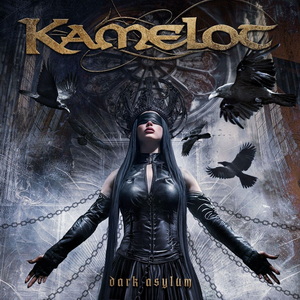
Kamelot’s fourteenth studio album, “Dark Asylum”, is a deeply immersive concept record set within a shadowed, Neo-Victorian environment. The overarching narrative guides listeners through the imposing gates of RavenHill Asylum, a claustrophobic institution originally built as a grand cathedral before being repurposed into a facility where science, faith, and madness intersect.
The journey begins with “Sanctorium”, an atmospheric, spine-chilling introduction featuring a brief narration that sets a distinctly ominous tone. It bleeds seamlessly into “Ashen World”, a bombastic affair featuring the fierce vocals of Ignacia Fernández (Decessus / Miss World Chile). This track breaks the traditional Kamelot mold by being heavier and more guitar-driven, trading their signature gothic-folk subtleties for raw, rocky energy. Thomas Youngblood’s aggressive riffs propel the song forward, keeping it firmly within the constraints of the band’s core identity while injecting a surprisingly dark, extreme metal undertow.
The title track, “Dark Asylum”, reins in the extreme undertones of its predecessor to deliver a far more focused and cohesive piece. While the heavy foundational elements remain completely intact, the harsh textures are swapped for lush, towering symphonic layering and a deeply theatrical atmosphere that feels right at home in the band’s modern repertoire.
Serving as a definitive highlight of the album, “Sanctuary” sees Visions of Atlantis vocalist Clémentine Delauney join forces with Ignacia Fernández alongside frontman Tommy Karevik. This vocal trio delivers a breathtaking display of classic Kamelot splendor. Driven by an absolutely irresistible, anthemic chorus, the track plays with daring musical concepts—most notably juxtaposing soaring symphonic melodies against a punishing, death metal-style vocal section that adds incredible dynamic weight.
The brief interlude “Nocte Veritas” utilizes haunting, chanted Latin to build dramatic tension before exploding into “One Last Masquerade”. This standout anthem features the legendary Tobias Sammet (Avantasia, Edguy). Sammet handles gorgeous vocal harmonies and delivers several verses with a theatrical, highly dramatic flair that perfectly suits his operatic style. It easily cements itself as one of the finest and most memorable songs on the record.
Breathing a rustic, folk-infused air into the tracklist, “Ivy, My Dear” relies on a stripped-back, elegant orchestration. The lighter arrangement evokes the nostalgic warmth of the classic The Fourth Legacy ballad “A Sailorman’s Hymn”, and while it doesn’t quite eclipse that legendary masterpiece, it stands on its own as a beautifully tender moment of melancholia.
As one of the album’s powerhouse singles, “Godlike Alchemy” pairs razor-sharp, intricate guitar work with breathtaking orchestral arrangements. Built around another soaring, remarkably catchy chorus, the track showcases the band’s unparalleled ability to fuse complex power metal musicianship with immediate accessibility
Carrying the emotional and intellectual gravitas of the darker, more intricate masterpieces from the Roy Khan era, “The Sleeping Mind (Orphic Paradigm)” is a progressive triumph. Master producer Sascha Paeth deserves immense praise here; his stellar mix flawlessly organizes and structures Kamelot’s grand, multi-layered wall of sound—a colossal arrangement that could have easily descended into chaos in the hands of a lesser producer.
True to its name, “Kaleidoscope” shifts the sonic colors by putting the spotlight back on prominent, heavy guitar work. Though it functions primarily as a transitional piece to bridge the album’s acts, it successfully carves out its own distinct identity through pulsing rhythms and a shifting, captivating dynamic.
Upping the ante, “Enigma (Think of Me)” serves as a crucial cornerstone of the album’s second half. It significantly expands the record’s emotional palette, amplifying the theatrical drama and pushing musical boundaries further than the tracks before it with bold, progressive song structures.
Boasting a hard-hitting, highly discernible main riff and a beautifully executed guitar solo, “Cassandra’s Disease” deftly navigates classic symphonic metal tropes without ever feeling cliché. The track acts as a masterful exercise in building tension, steadily escalating the stakes without prematurely giving away its ultimate crescendo.
“Beneath the Moon (Tunglið)” provides a serene moment of respite, though its heavy folk flavor arrives so suddenly that it may feel a bit jarring to listeners settled into the album’s darker, metal-driven tone. This fascinating detour features exquisite guest violin work courtesy of Lea-Sophie Fischer (Eluveitie) alongside an enchanting vocal contrast provided by Sólveig Sara Leupold and Rannveig Sif Sigurðardόttir.
Fortunately, a soft, graceful introduction eases the listener out of the folk wilderness and into “The Puppet King”. This track is a magnificent mini-epic; it avoids an overlong runtime by focusing instead on a tight tapestry of brilliant musical ideas that resolve the album’s overarching dramatic arc. The majestic bridge and chorus are a direct, nostalgic nod to the band’s golden “The Fourth Legacy” era—a flawless fan-pleaser.
Bringing the curtain down, “Sanctum Requiem” serves as a gorgeous instrumental outro. Acting as a cinematic coda to the “Dark Asylum” journey, it ties the album’s musical themes together in a brilliant, hauntingly beautiful fashion.
Kamelot deserves a lot of credit for their dedication and their ability to keep their established formula engaging over the years. However, they’ve become so consistent that it occasionally feels like they are playing it a bit too safe. As a fan, it would be refreshing to see them experiment with a more stripped-back, pure power metal sound for a change, if only to challenge themselves and surprise the audience. “The Awakening” did a great job in that direction, but “Dark Asylum” feels a bit more reserved and heavily reliant on their classic blueprint, even if it’s more guitar dominated.
All the same, it’s hard to fault, the band for being too good or their output so consistent. If you like Kamelot and especially the Kar years, this is a no-brainer purchase. If you’re more casual, it’s still not disappointing, but it doesn’t particularly stand out of the band’s illustrious catalogue.