
With the release of “Into Oblivion”, Lamb of God delivers their twelfth studio album, a record already widely praised by fans and critics alike as their strongest material in years. While modern groove-oriented extreme metal may not appeal to every palate, one cannot deny the band’s massive global popularity and their relentless work ethic, characterized by consistent album cycles and exhaustive touring schedules.
The early part of the past decade saw the band navigating a slight creative plateau—partially due to natural fatigue and circumstantial challenges. Yet, despite these hurdles, their output remained punctual and remarkably consistent.
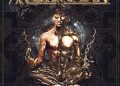
“Into Oblivion” arrives wrapped in rather generic cover art that inadvertently resembles a generic electronic compilation. However, the music within tells a completely different story. This is one of the band’s most vital and focused offerings in recent memory. Clocking in at just over 39 minutes, the album discards any unnecessary fluff, opting instead for a straightforward, in-your-face display of aggression and groove that frequently recalls the raw energy of their earliest days. Furthermore, frontman Randy Blythe delivers a top-tier performance, anchoring the tracks with sharp, articulate, and politically charged lyrics.
The record opens with the title track, “Into Oblivion”, which immediately commands attention with a massive opening riff and a wave of relentless, pulsating energy.
“Parasocial Christ” does not attempt to reinvent the wheel, but it immediately pushes the pedal to the metal before settling into a devastatingly heavy groove.
The album takes an intriguing turn with “Sepsis”. It is a callous, abrasive track that leans heavily into noise-rock territory, evoking the industrial chaos of Al Jourgensen. While it represents a step off the beaten path for Lamb of God, the sonic detour is executed remarkably well.
“The Killing Floor” keeps the momentum going with a relentless, mid-tempo groove that is destined to become a live crowd-pleaser.
This is followed by the somber and introspective “El Vacío”. The track masterfully shifts between moody, clean guitar melodies accompanied by lower-register vocals, before exploding into a sludgy, towering crescendo during the chorus.
“St. Cathrine’s Wheel” picks the pace back up with simpler, high-energy songwriting—making it one of the most accessible and engaging tracks for listeners who might usually shy away from modern groove metal.
The aggression remains palpable on “Blunt Force Blues”, which dial back the speed just enough to emphasize a substantial bridge and a massive, modern breakdown tailored for younger heavy music enthusiasts.
“Bully” slows the tempo down even further, utilizing a sinister groove built on minor-key riffs heavily indebted to the evil atmosphere of classic Slayer. This represents a welcome and successful foray outside the band’s standard formula.
As the record nears its end, “A Thousand Years” dives deeper into a swampy, mid-tempo groove that carries a distinct Southern stoner-metal swagger.
Finally, “Devise/Destroy” brings the album full circle, returning to a high-aggression assault without sacrificing the rhythmic groove that defines the record.
Ultimately, “Into Oblivion” is a tight, potent, and highly focused release. While it may not drastically push the envelope of modern metal, it delivers exactly what the band’s dedicated fanbase craves, solidifying Lamb of God’s enduring legacy.