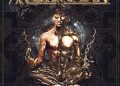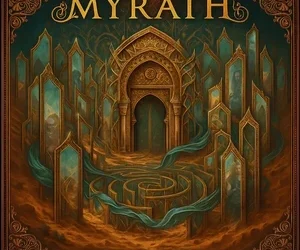

When former Queensrÿche frontman Geoff Tate announced a third instalment to his career-defining rock opera, the immediate reaction from the metal community was skeptical at best. With Nikki’s story seemingly resolved in a tragic arc where peace is only found in death, a trilogy closer felt unnecessary. However, following a surprisingly solid sophomore effort, this latest entry earns its benefit of the doubt, delivering a darker, heavier, and unexpectedly rewarding expansion of the saga.
The most striking change lies in the album’s production and narrative focus, as this time, rather than following Nikki, the narrative runs parallel to the original timeline, but it explores the psyche and villainous motivations of the primary antagonist, Dr. X.
The album also adopts a heavier, noticeably darker tone than its predecessors. This is amplified by a pristine, ultra-polished digital production that contrasts sharply with the gritty analogue warmth of the original material for better or worse.
Those that might have also been trepidatious about Tate’s ability need not worry, as he seems to adapt exceptionally well to the shift. His vocals carry a darker, deeper tone on familiar registers, which perfectly suits his transition into acting out a different, more sinister role
“The Scene of the Crime” is a brooding, one-minute atmospheric intro that effectively sets a tense tone for the return to this universe.
“You Know My Fucking Name” is driven by an almost hypnotic riff, this track offers a chilling look into Dr. X as a power-drunk public figure on the verge of total control. Tate embodies the character with theatrical precision.
“The Answer” is a mid-tempo track detailing the charismatic lies Dr. X uses to recruit followers. He is painted as a wealthy, empathetic-free narcissist selling false solutions (inviting unmistakable parallels to real-world figures).
“Vulnerable” is a ponderous, bass-heavy track exploring Nikki’s addiction. It highlights Dr. X positioning himself as both savior and executioner to exploit Nikki’s weaknesses.
“I’ll Eat Your Heart Out” is a cinematic, chugging highlight that functions as a veiled threat. The heavy instrumentation is cleverly contrasted with Eastern melodies and female vocals (Sister Mary), capturing Dr. X using Mary to manipulate Nikki into submission. This stands as the album’s strongest structural link to the broader saga.
“Do You Still Believe?” is a slower interlude analyzing the central narrative triangle between the protagonists. It showcases Mary’s fear, Nikki’s helplessness, and a rare, fleeting moment of vulnerability from Dr. X right before he discards his remaining humanity.
“The Devil’s Breath” is a standout moment that captures the dramatic, theatrical flair of the 1988 original, drinking deep from the classic Queensrÿche well.
“Ascension” / “Set You Free” / “Descension” encompass a brilliant suite beginning with a brief acoustic interlude (“Ascension”), transitioning into false promises of salvation (“Set You Free”), and ending abruptly with a gunshot that devolves into sonic chaos (“Descension”).
“Power” is the album’s standout lead single, driven by an immaculate guitar riff. It serves as the thematic antithesis to the classic track “Speak”; where the youth once fought for revolution, Dr. X and his circle fight purely for power.
“You Can’t Walk Away Now” is a tense, spoken-word telephone exchange between a newly awakened Nikki and a sadistic, laughing Dr. X, who issues the final order to execute Mary.
“A Monster Like Me”: The theatrical finale. Utilizing strings and saxophone overtures, the track leaves the protagonist in deep regret over his actions yet resigned to his tragic, predetermined fate.
Against the odds, this embellished, antagonist-driven retelling of the Mindcrime universe succeeds. By trading standard nostalgia for a daker sound and a compelling shift in perspective, Geoff Tate has delivered a grand, theatrical rock opera that is far better than anyone could have reasonably hoped for.